Opening a Dutch Bank Account in the Netherlands.
Top 5 Dutch Bank Accounts (2025)
Compare different Dutch Bank Accounts and understand which one fits you the best.
This article is published 25 juni 2021. Last Updated on 20 januari 2025.
A Dutch bank account is your gateway to seamless financial management in the Netherlands. With a Dutch bank account, you can easily receive your salary, manage daily expenses, and pay bills effortlessly. It provides a secure and convenient way to organize your finances, track spending, and maintain a budget.


Opening a Debit Dutch Bank Account in the Netherlands
Ready to open a Dutch bank account? Here’s how it usually works:
- Find your perfect bank: Take a look at the table above to compare fees, services, and locations of different banks. Find one that suits your needs!
- Get your paperwork together: You’ll need a valid ID, proof of address, and sometimes proof of income.
- Schedule a visit: Once you’ve chosen a bank, make an appointment to open your account.
- Meet with the bank: Bring your documents to your appointment, and a bank representative will help you with the paperwork.
- Wait for the green light: The bank will review your application. If approved, you’ll receive your account details and be ready to bank!
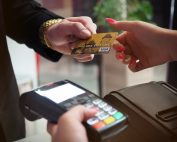


Free and charges for Debit Cards in the Netherlands
Debit Bank accounts in the Netherlands are cheap. They won’t cost you a lot and it is interesting to consider taking a full package from a single bank. This can include Debit Card, Credit Card and Internet Banking.
There is a difference between Traditional Banks how they charge you on different fees. We highlighted the most common fees you will have for a Debit Card:
International Payments/transfers:
Mostly in Europe transfers and payments are free, but some bank will charge you a small fee. In some countries like the UK & Ireland fees are quite high, but in the Netherlands fees for banking are low and will not set you back more than 1%.
Digital Banks in The Netherlands
Using a Digital Bank in the Netherlands is becoming more popular over the last years. In the Netherlands we also have a Dutch Startup called Bunq, that is competing with the bigger competitors. All those Digital Banks are obviously also competing with the traditional banks, but that isn’t going as fast in some countries as France, UK or Germany. At the moment, we wouldn’t recommend to choose for a digital bank in the Netherlands.
The big advantage over a traditional bank is that everything is taken care of online. Also registration can be completed via the app they use or even via browser. Another big advantage for Expats and for International Students is that the interface of the app can be set up in English or other languages. Most of the traditional banks in the Netherlands are using Dutch as their only language of their app and registration process. If you’re interesting, have a look at Bunq.
Using Mastercard and Visa in the Netherlands
In the Netherlands you can quite often get a rejection when you want to pay with Mastercard and Visa. The reason for this is that the Dutch Banking System is running on older software and Mastercard and Visa will (finally) update this before the end of 2023, meaning that all the cards in the Netherlands have to be replaced.
For the use of Visa and Mastercard in the Netherlands you can always look at stickers at the door of a store. It often says if they accept Mastercard or Visa and luckily most shops do accept Debit Mastercard or Debit Visa.. It gets less accepted at big supermarket chains like Albert Heijn or Jumbo, although in Amsterdam city center also Albert Heijn and Jumbo are accepting Visa or Mastercard.
Until 2023, you can make use of V-Pay (VISA variant) or Maestro (Mastercard variant) in almost all stores, but in 2022 all payment terminals will be updated to Mastercard and Visa. Make sure you have a ‘local’ card in the meantime that uses Maestro or V-Pay.